Max Speed: 175 km/hr (land variant), 170 km/hr (floatplane)
Range:
Maximum Ceiling: 8,700 metres
Known Serial Numbers: #24 / #102 (original) #30 / #103 (LKOD)
Notes
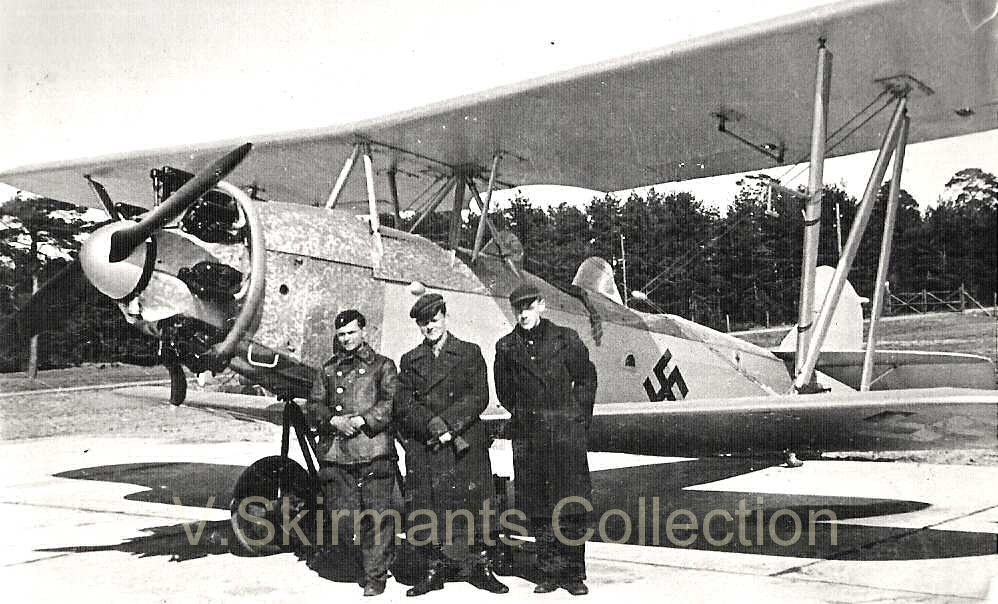
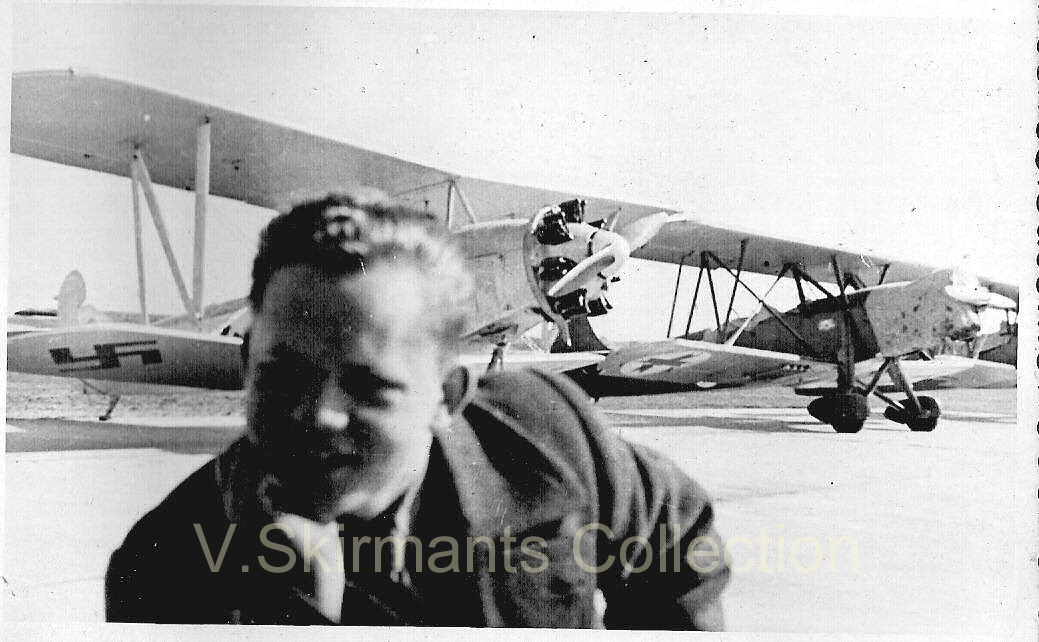
This aircraft was built in Sweden by Ingvar Kjellson, under the guidance of Bucker, who went on to
create some very famous aircraft himself. Only two were made - one was kept by the Swedes, the other
sold to Latvia.
LKOD subsequently made a copy of this aircraft.
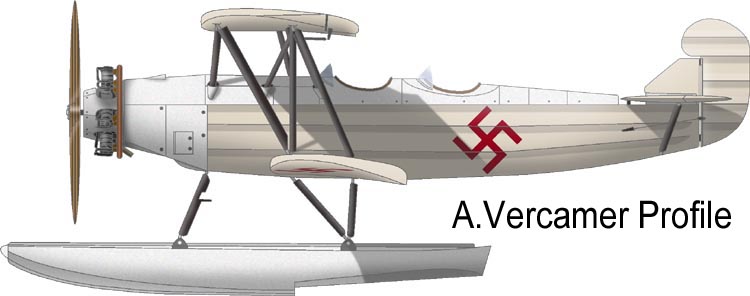
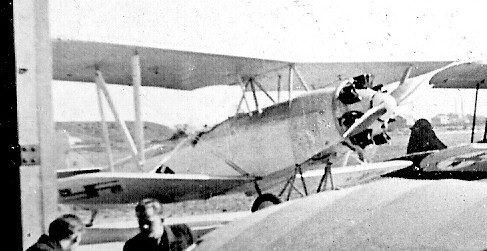
The aircraft could be set up in either the floatplane or the land version, and the Latvians used
their Pirat in both configurations.
#24 / #102 (Original)
April 29, 1929 - Accepted from the manufacturer and assigned to the Naval fighter unit.
September 1935 - pilot I.Karklins crashes the aircraft heavily. It is in repair/rebuild
from September 1935 until December 1936.
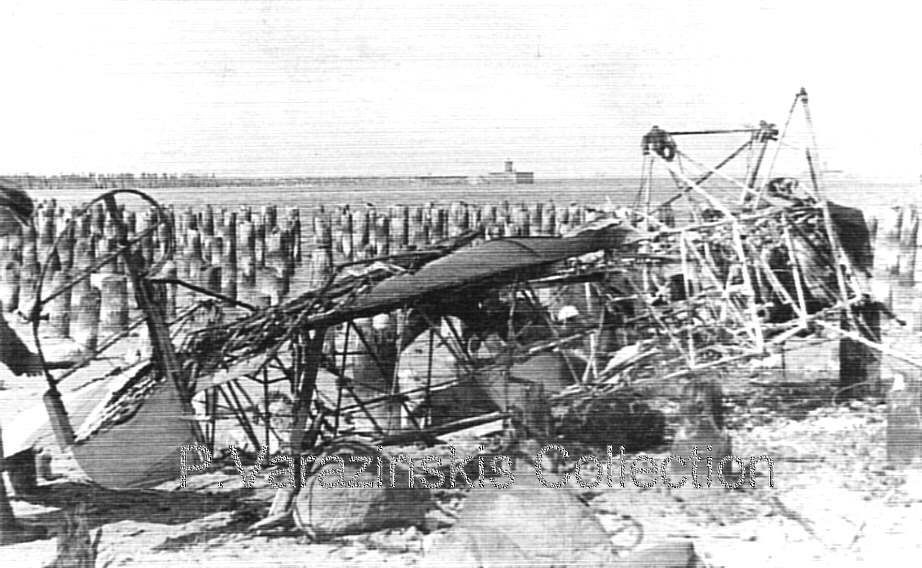
Summer 1939 - the aircraft is destroyed when E.Varazinskis and V.Skere strike the shorline
with the aircraft during maneuvers and the aircraft crashes and burns.
#30 / #103 (LKOD)
February 28, 1936 - the military places an order for LKOD to produce a copy of #24.
January 27, 1937 - the aircraft is completed in the land operations configuration.
June 11, 1937 - the floats, etc. for the floatplane configuration are completed.
June 18, 1937 - after only a week of service in the floatplane configuration, the aircraft
is crashed by A.Gudermans and K.Mikelsons, when the engine died while they were flying at low
altitude with the wind at their back. The aicraft suffered further damage when it was lifted
from the water with a crane.
April, 1938 - the repaired aircraft is returned to service.
January 27, 1939 - the aircraft undergoes a rebuild.
This aircraft continued in service until the very end of the first period of Latvian
independence - June 17, 1940.
Sources
Bruvelis, Edvins. Latvijas Aviacijas Vesture
Humberstone, Richard. Latvian Air Force 1918 - 1940