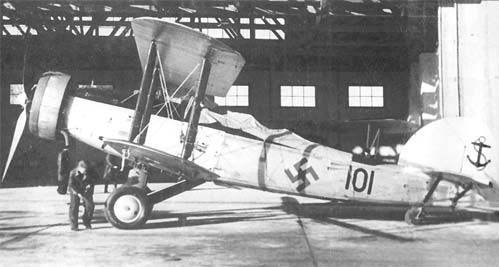
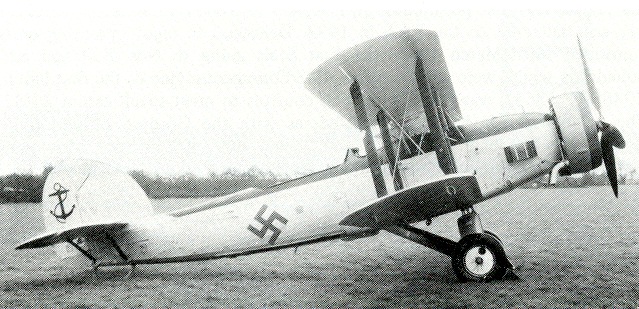
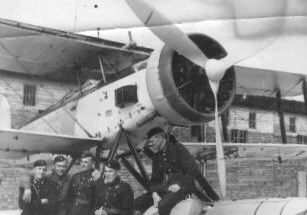
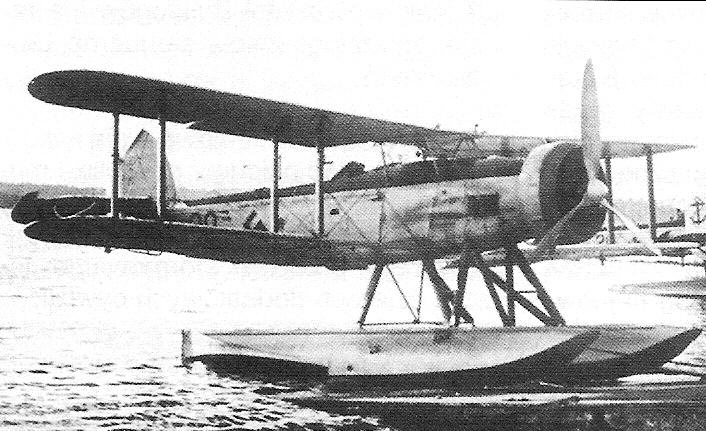
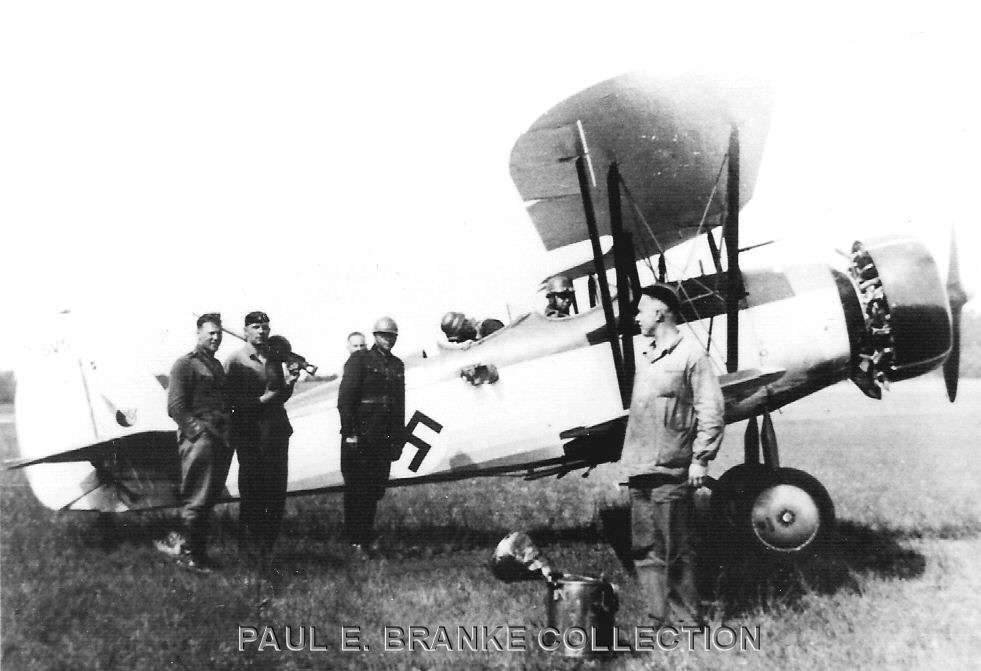
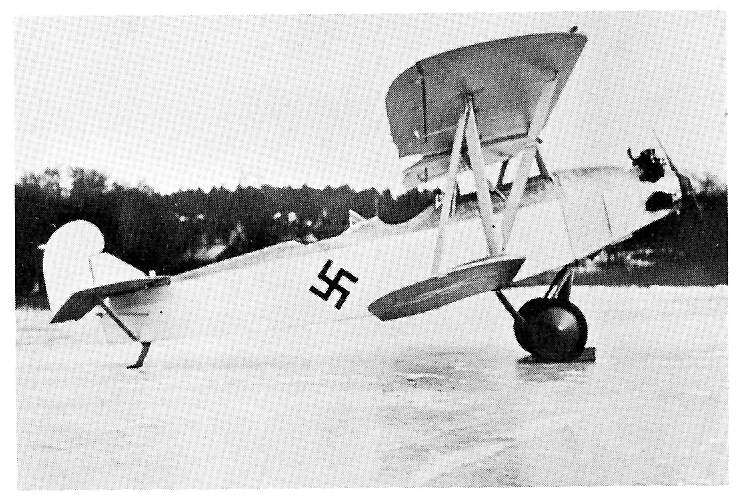
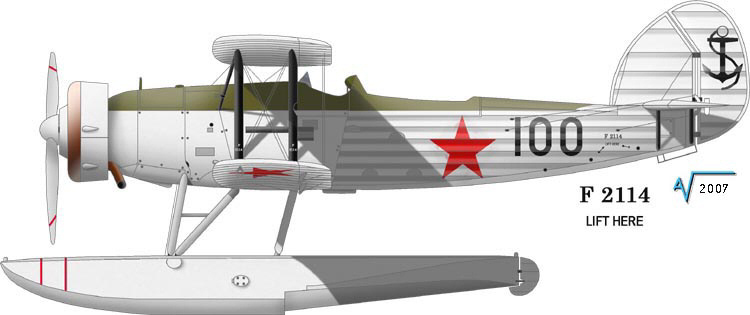
Type: three-seater reconnaissance aircraft, capable of
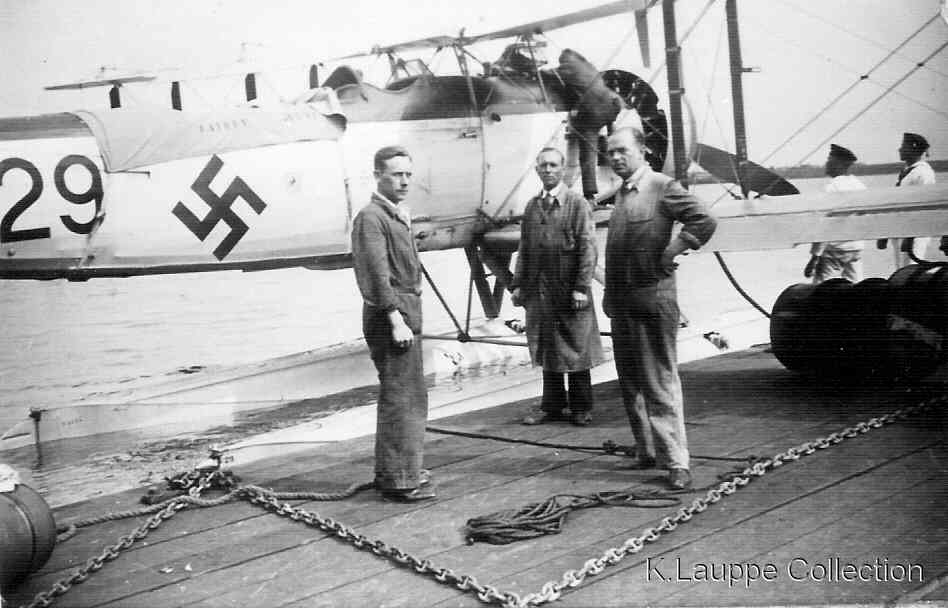
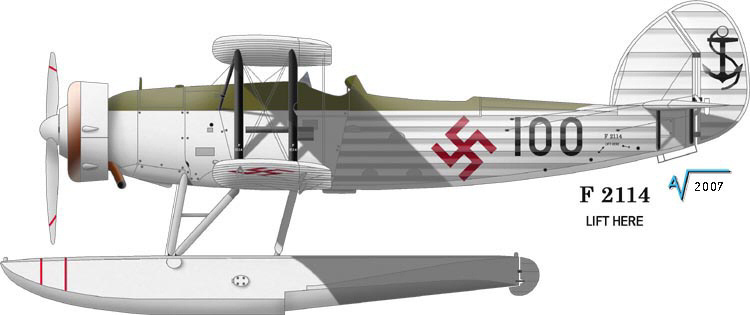
being used as a landplane or converted to a float plane configuration.
Engine: 690-hp Bristol Pegasus III M2
Dimensions
Length: 10.26 m (land version), 10.77 m (seaplane)
Wing Span: 13.94 m
Height: 3.88 m
Max Speed: 222 km/hr (land version), 208 km/hr (seaplane)
Range:
Maximum Ceiling: 5,182 m (land version), 4,236 m (seaplane)
Known Serial Numbers: 26 (98), 27 (99), 28 (100), 29 (101)
Notes
Contract for the purchase of these four aircraft was signed in November, 1934 and
included a delivery deadline date of May 16, 1935. They were actually delivered
ahead of schedule, on March 12, 1935.
These aircraft were utilized in both the landplane and floatplane versions.
When serving with the 8th Recon Squadron, they were assigned numbers 98-101.
The first Latvian flights took place in July, 1935.
In 1935, in an effort to classify aircraft by their functions, the Seals were assigned the code "E2"
Oct.25, 1939 - Under Soviet occupation, the Latvian Naval Squadron's
Seals are ordered to re-base from Liepaja to Riga (Kisezers). This was completed under the command of A.Lidaka.
June 17, 1940 - the pilots, temporarily re-based to Lake Usma, are urgently ordered to return
to Riga/Kisezers immediately with their aircraft and, upon arrival, to camoflage the aircraft. Shortly
afterwards they received an order to turn these aircraft over to the Soviet unit also stationed there. With
this act, the Latvian Aviation Squadron was dissolved.
1941 - There are two versions of how the Fairey Seals met their end. What is known for certain is that, when the Germans attacked
the Soviets, the Seals were sunk at Lake Kisezers, near Riga. Capt.Graudins reports that they were sunk
by the Russians as they retreated. Lt.Grinbergs, an eye witness, claims that they sank after being
attacked from the air by the germans.
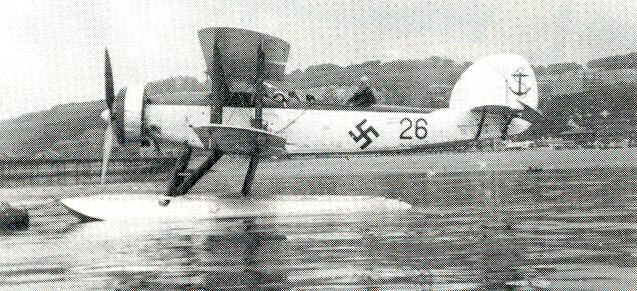
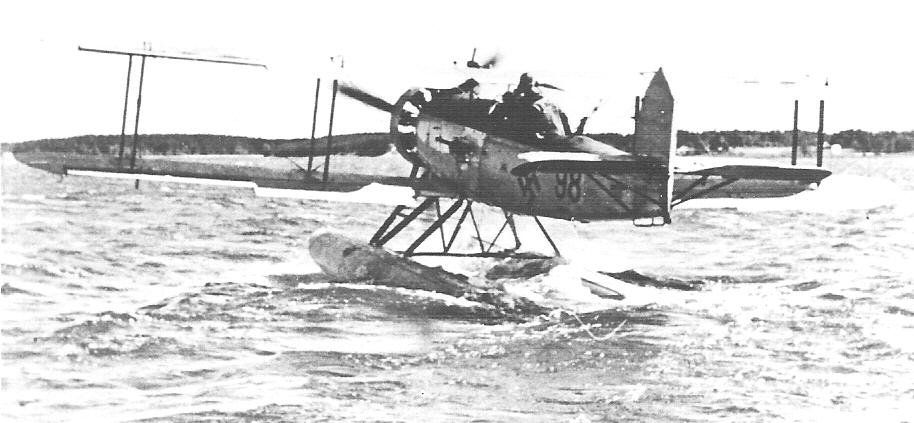
# 26 (re-numbered as # 98)
Original construction number: F.2112
First Latvian flight was on July 19, 1935 (Pilot: A.Zarins)
Took part in the 1936 flight around the Baltic, piloted by Janis Grinbergs with
Nikolajs Balodis and Aleksandrs Tomass navigating.
# 27 (re-numbered as # 99)
Original construction number: F.2113
First Latvian flight was on July 12, 1935 (Pilot: A.Zarins)
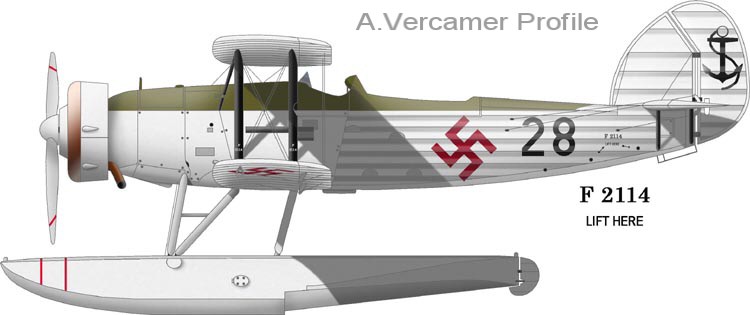
# 28 (re-numbered as # 100)
Original construction number: F.2114
First Latvian flight was on July 11, 1935 (Pilot: E.Karklins)
Took part in the 1936 flight around the Baltic, piloted by Aleksandrs Zarins with
Janis Indans and Adolfs Lidaka navigating.
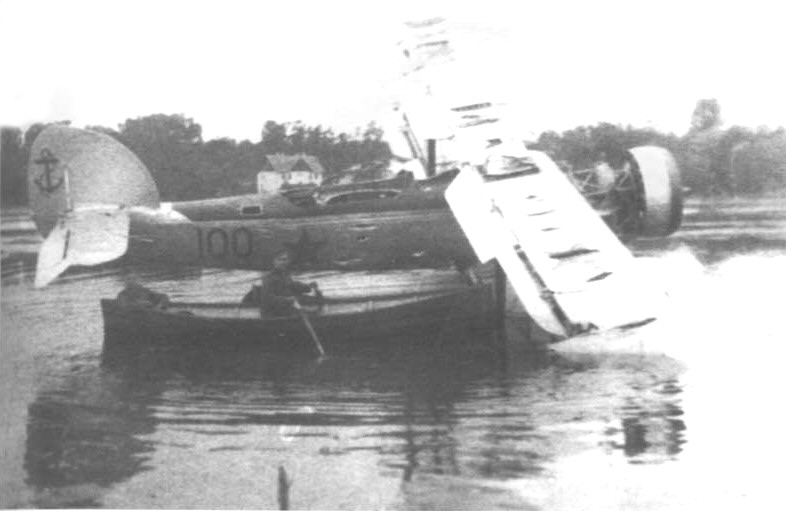
This aircraft was permanently put out of service by what appears to have been a German aerial attack at Lake Kisezers (see image below).
While details of this event are few and often contradictory, the damage sustained appears to be from machine gun fire which supports Lt.Grinbergs'
version of events as discussed above.
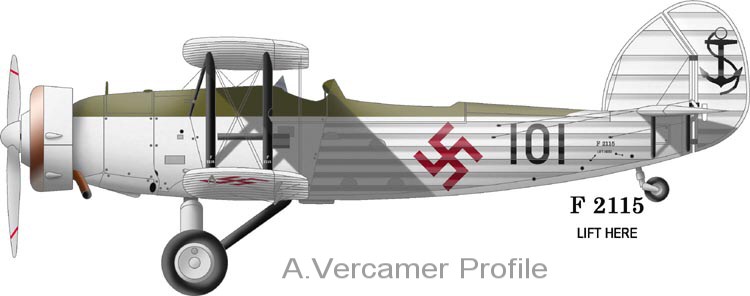
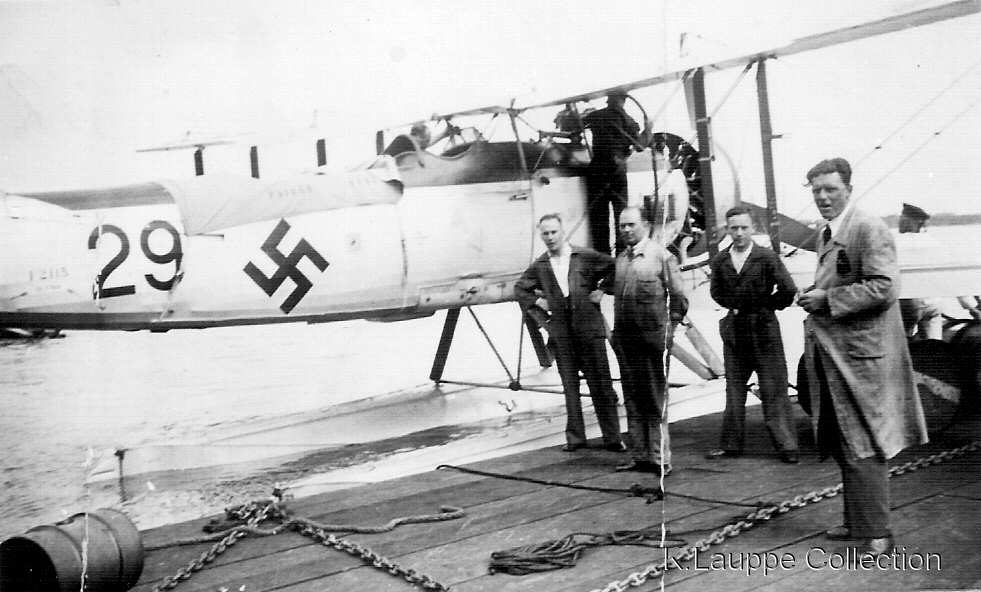
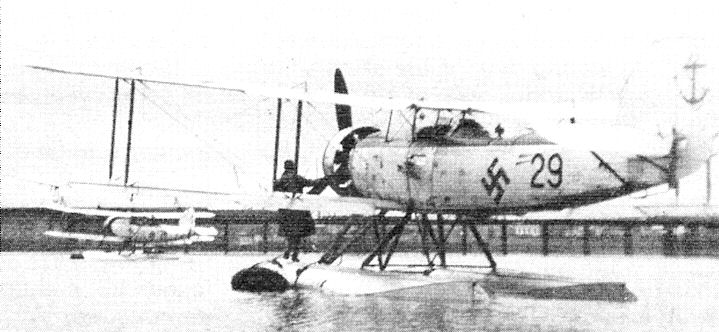
# 29 (re-numbered as # 101)
Original construction number: F.2115
First Latvian flight was on July 12, 1935 (Pilot: E.Karklins)
Took part in the 1936 flight around the Baltic, piloted by Karlis Ercums with
Eduards Balodis and Andrejs Eglitis navigating.
Sources
- Andersons, Edgars Latvijas Brunotie Speki Un To Prieksvesture
- Bruvelis, Edvins Latvijas Aviacijas Vesture
- Humberstone, R. (ed) Latvian Air Force 1918-1940
- Irbitis, Karlis Of Struggle and Flight
- Taylor, H.A. Fairey Aircraft since 1915
Profiles courtesy of Avro Vercamer.
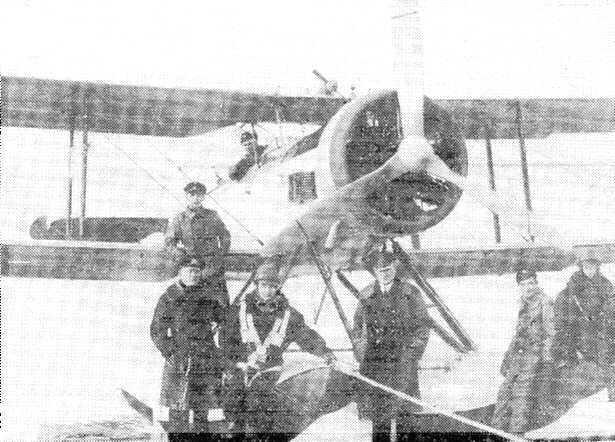
Images of #29 at Schellingwoude from K.Lauppe Collection, via Frits Gerdessen.