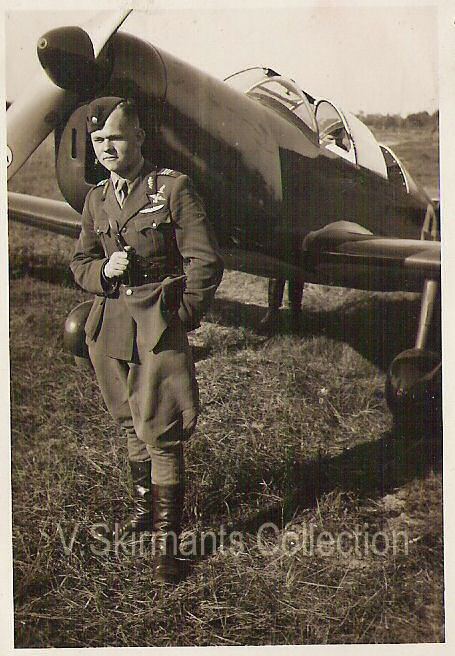
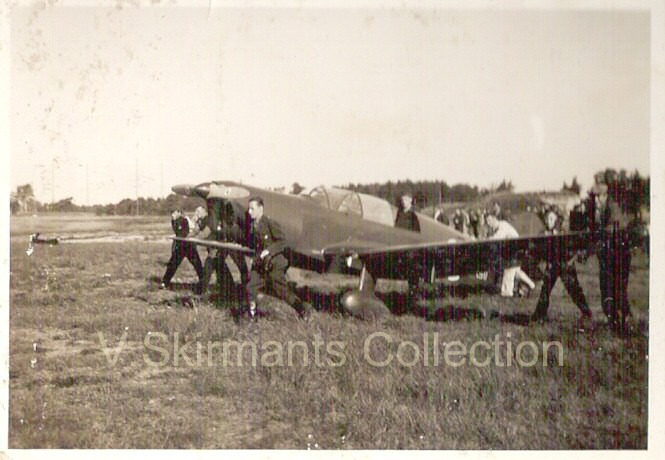
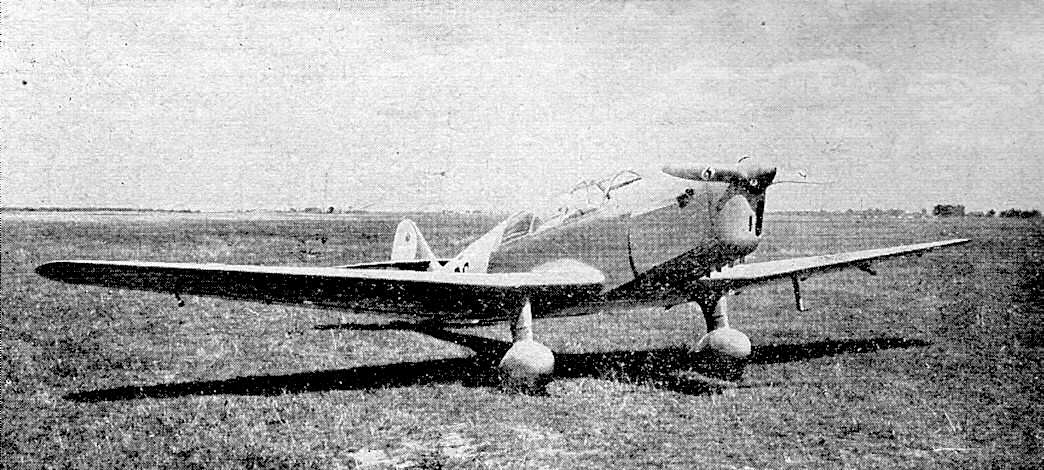
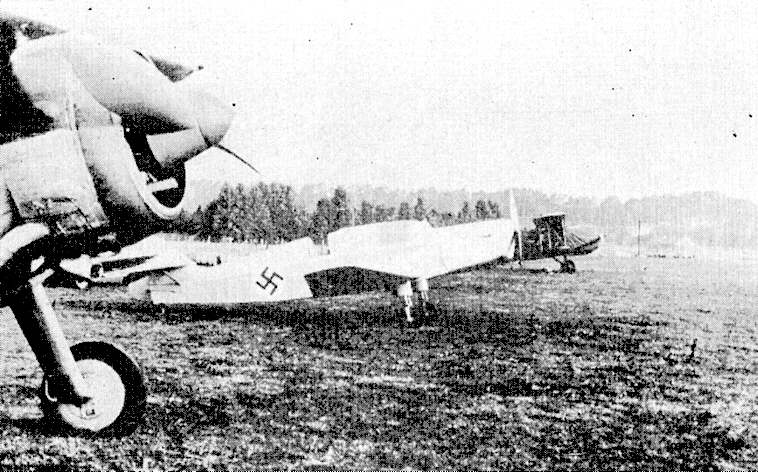
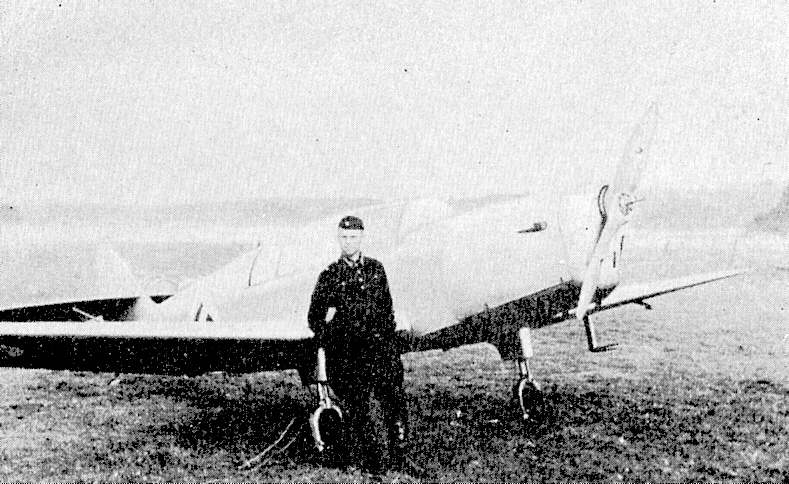
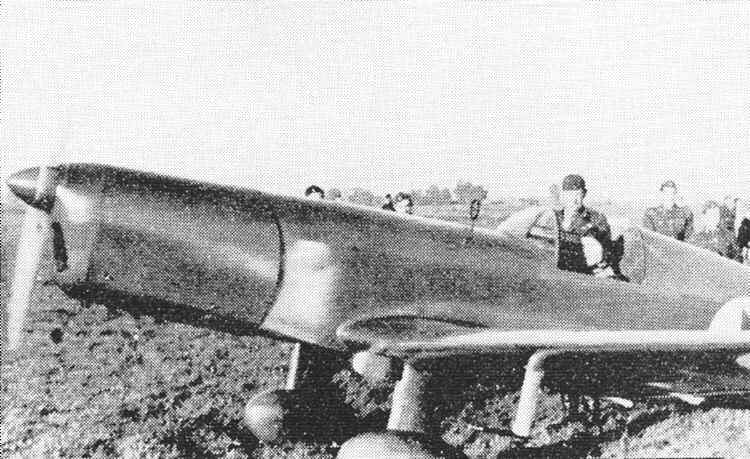
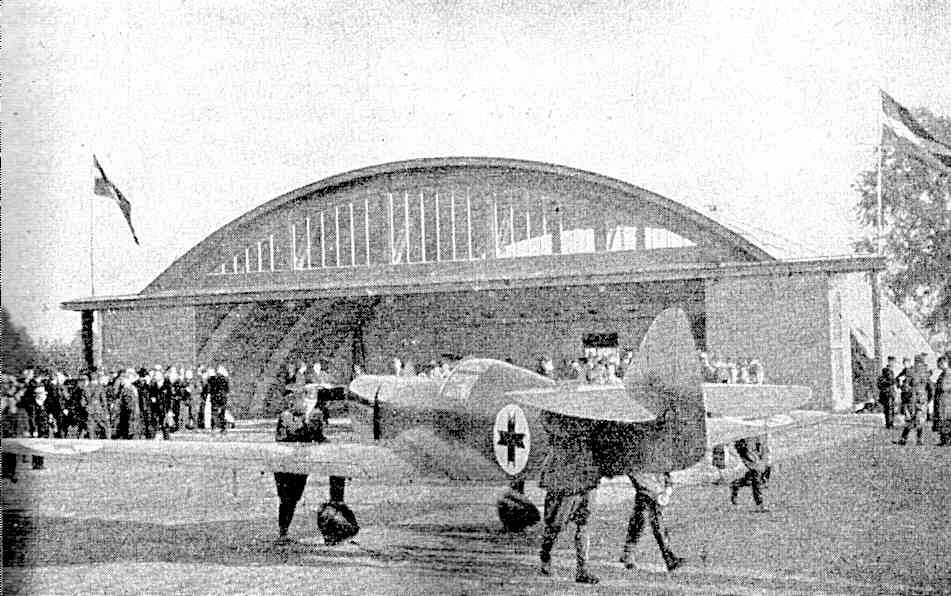
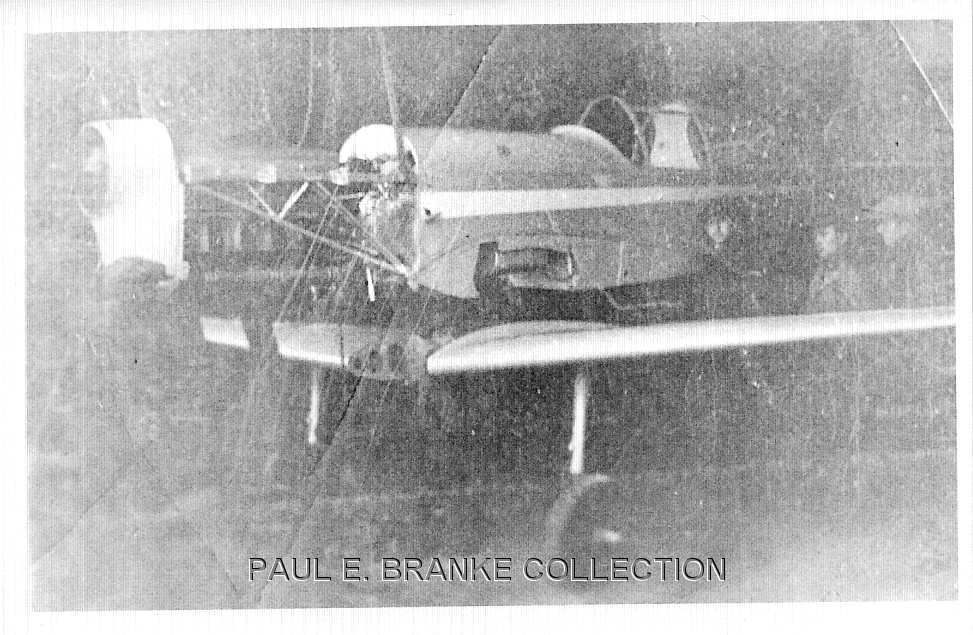
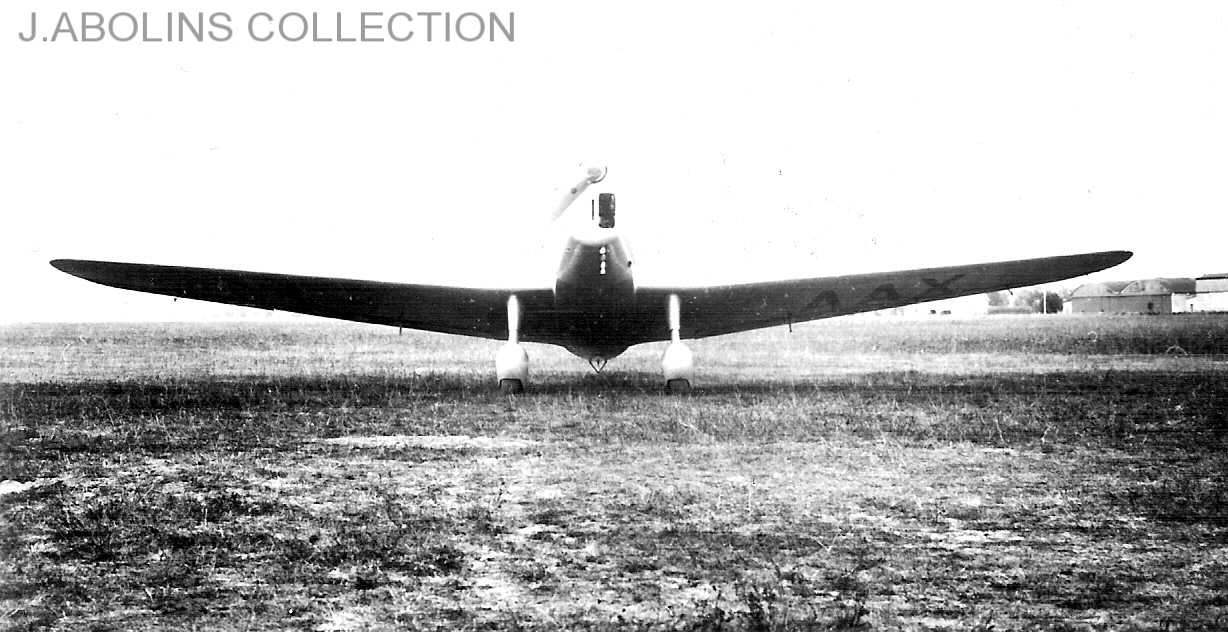
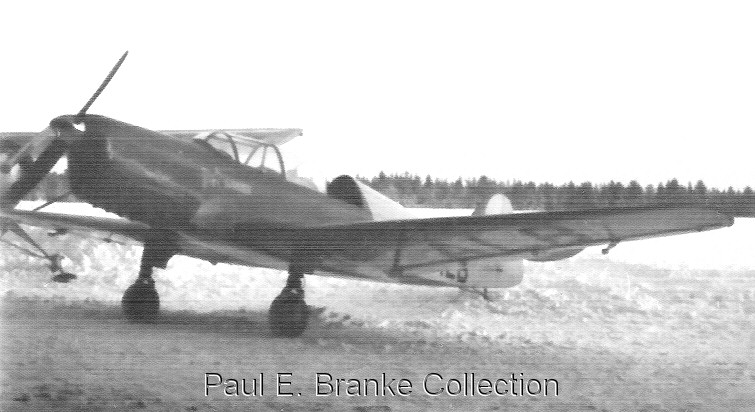
1936, November - Karlis Irbitis begins work on his I-12.
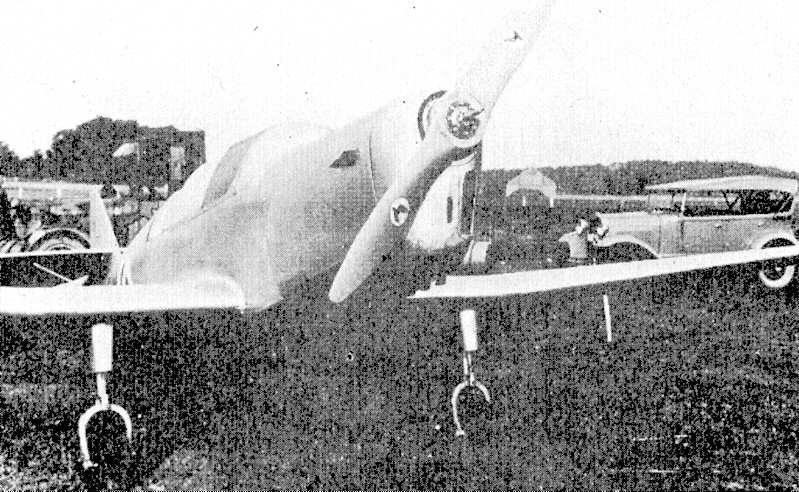
1937, June 26 - Irbitis completes the prototype of the I-12, first flight takes place at Spilve.
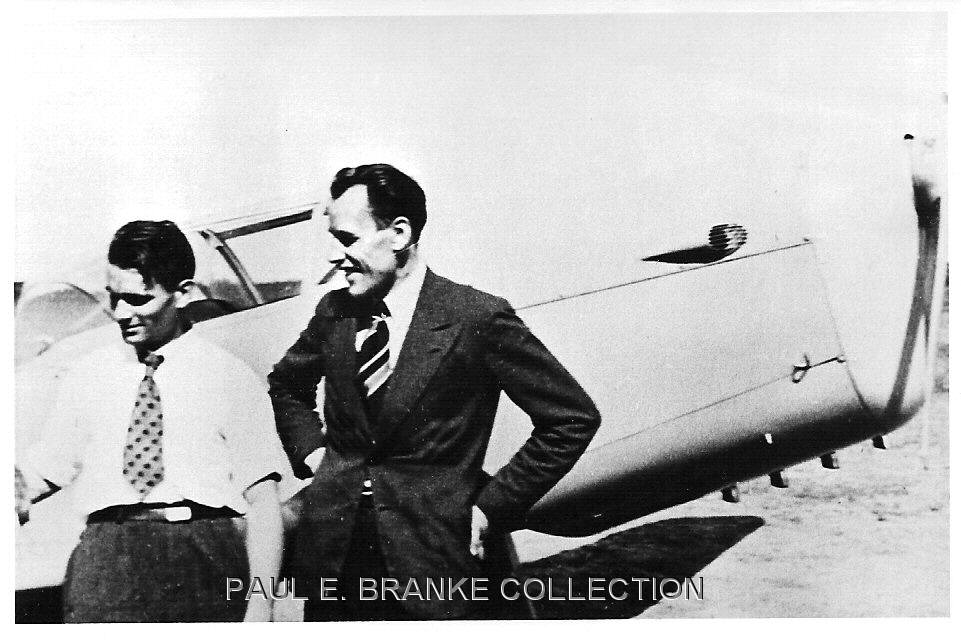
1937, July 15 - Bandenieks and Berzins take the I-12 to Paris for demonstration flights.
1937, July 30 - Aug.1 - Bandenieks enters the I-12 in a "flight around France" contest and wins the 2-seater class.
1937, Aug.21 - Bandenieks enters the I-12 in the Thanet Air Races at Ramsgate, England, placing 5th.
1937, Aug.29 - Bandenieks enters the I-12 in the Wakefield Pocal, an international handicap race, at Lympne airfield in England.
He finished 2nd to a Klemm KL-35 being flown by an experienced race pilot.
1937 - In response to the success of the I-12, VEF officially establishes an aircraft branch in its mechanical section and sets about building a series of ten I-12s.
1938, July - Philip d.W. Avery flies the original I-12 nonstop from London to Riga in 9 hrs and 5 minutes, breaking the previous record by an hour and 40 minutes.
1938, Sept.30 - four I-12s for the AA are delivered.
1938, October 30 - A VEF I-12 is destroyed in Gailitis' fatal crash at Spilve.
1939, January - VEF delivers their sixth I-12 to the AA.
Each I-12 cost the Aizsargi 17,500 Lati.
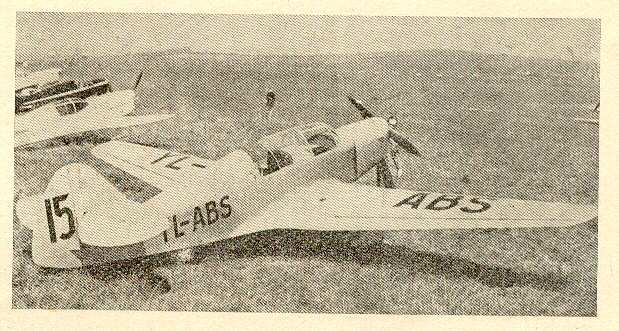
I-12 YL-ABS is flown to England. As it is receiving airworthiness certification, war breaks out and it is parked in a warehouse. Its subsequent fate is unknown.
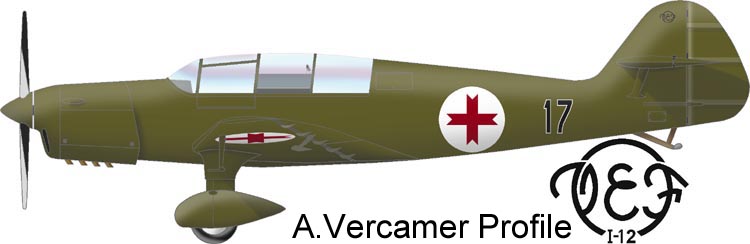
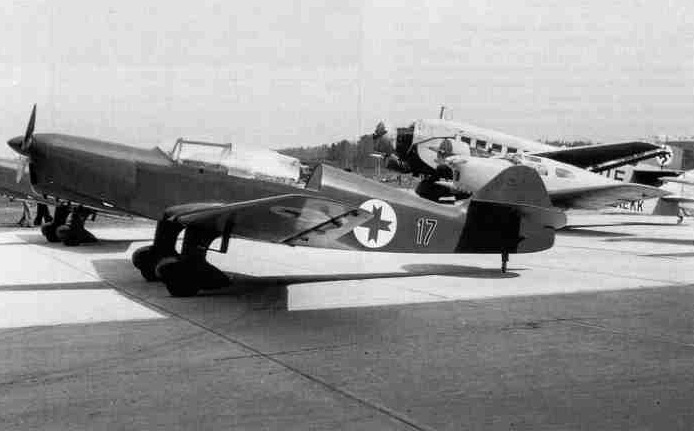
#17
Turned over to the Aizsargu Aviacija by eary 1938.
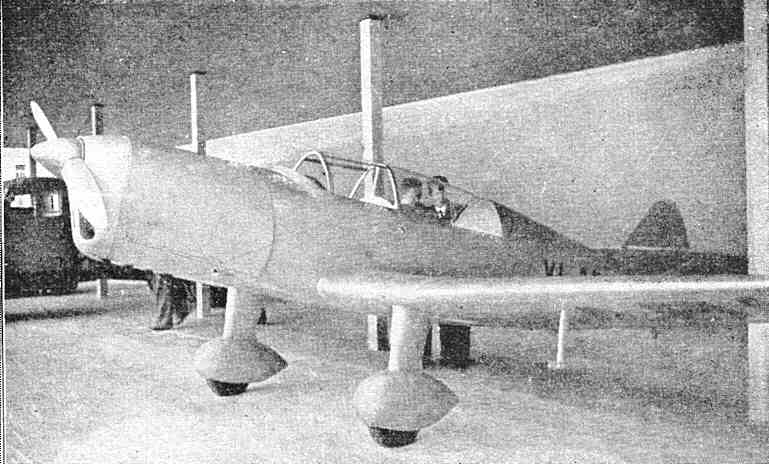
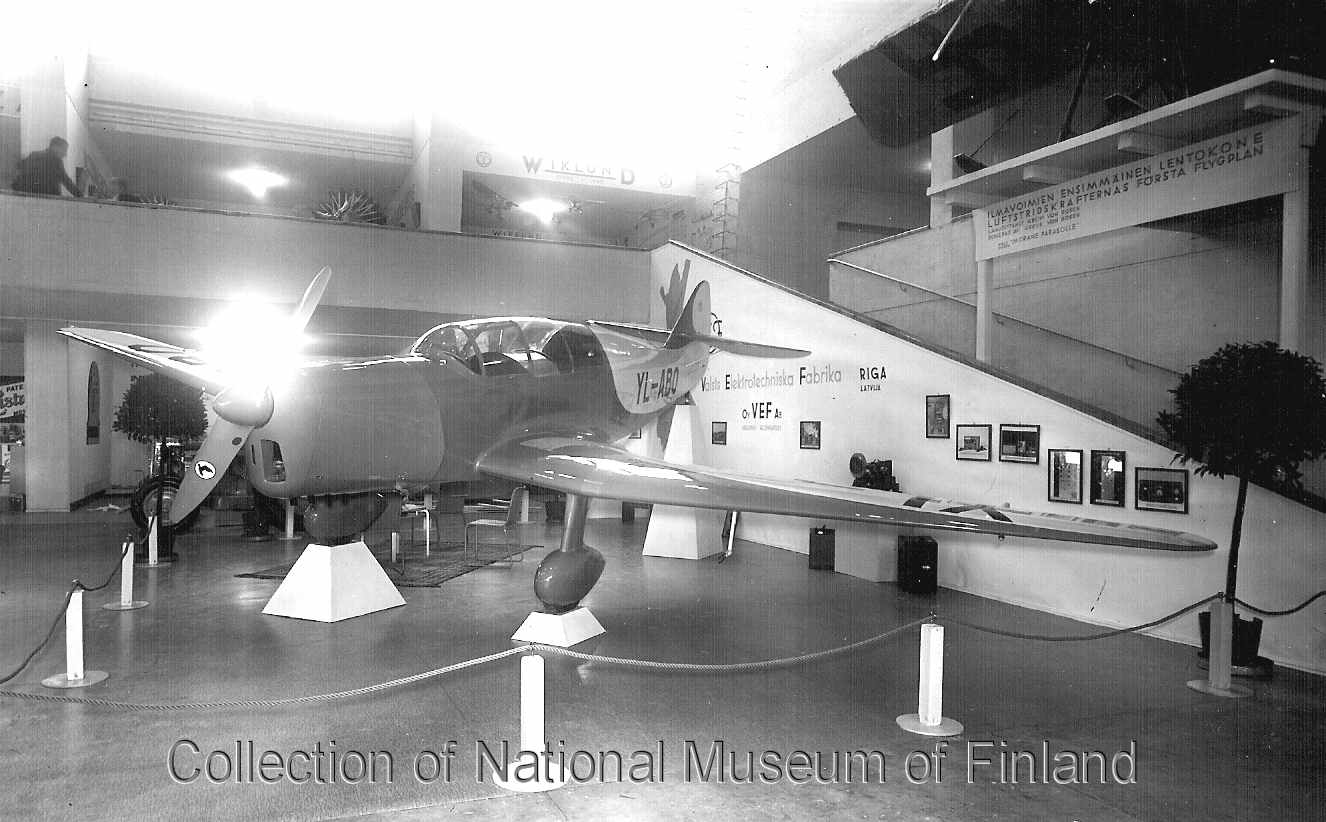
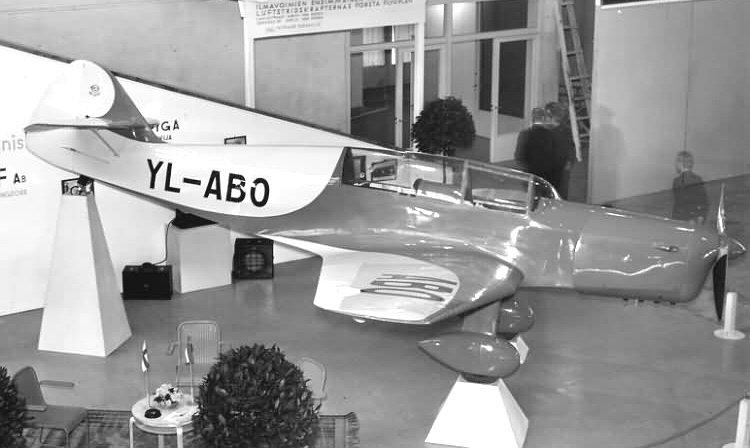
1938, May 14-22 - International Aircraft Exhibition in Helsinki, with VEF I-12 YL-ABO prominently on display.
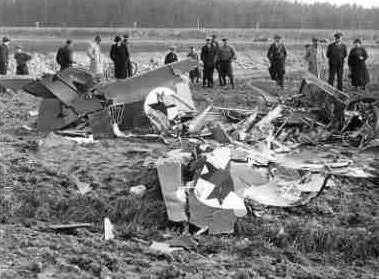
Two other I-12s (#17 and #27, built for the AA) attend to serve as demonstrators. On May 17 AA pilot Karlis
Lesinskis, with a Finnish pilot on board, is demonstrating I-12 # 17 when it spins at an altitude
of approx 200 metres, striking the ground and killing both pilots. It is unknown which pilot
was at the controls at the time of the crash.
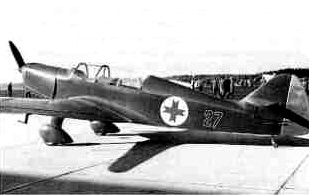
#27
Turned over to the Aizsargu Aviacija by eary 1938 and assigned to their 2nd Squadron.
May 14-22, 1938 - is sent to the International Aircraft Exhibition in Helsinki to serve as a demonstrator model.
October 1, 1938 - appeared (piloted by Bandinieks and Kalnins) in the "Flight Around Latvia" competition
Survived until the Soviet occupation (1940).
#37
Turned over to the Aizsargu Aviacija by eary 1938 and assigned to their 3rd Squadron.
1938, October 1 - Rudzitis and Makars, flying VEF I-12 #37 in the "Flight Around Latvia" competition, suffered a broken tail skid
when landing at Jelgava. The aircraft was able to continue in the competition, but repairs had to be made overnight and he caught up with the other aviators
the following morning.
Survived until the Soviet occupation (1940).
#47
Turned over to the Aizsargu Aviacija by eary 1938 and assigned to their 4th Squadron.
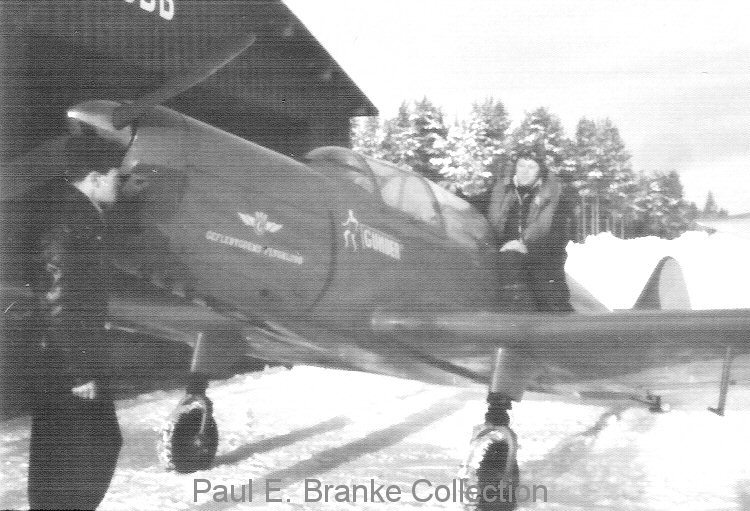
Was equipped with a gun camera for use in training flights.
Survived until the Soviet occupation (1940).
YL-ABG
The first prototype, it did not receive a military serial number.
Completed in June, 1937, and test flown on June 26, 1937.
Passed its airworthiness tests on July 8, 1937 and was issued a civil registration number.
June - July, 1938 - in single-seater mode, used by British aviator Avery to compete in the Isle of Man aviation competition.
Returned to Latvia in July 1938.
1939-1940 - maintained by VEF as a test bed aircraft. Survived until the Soviet occupation (1940).
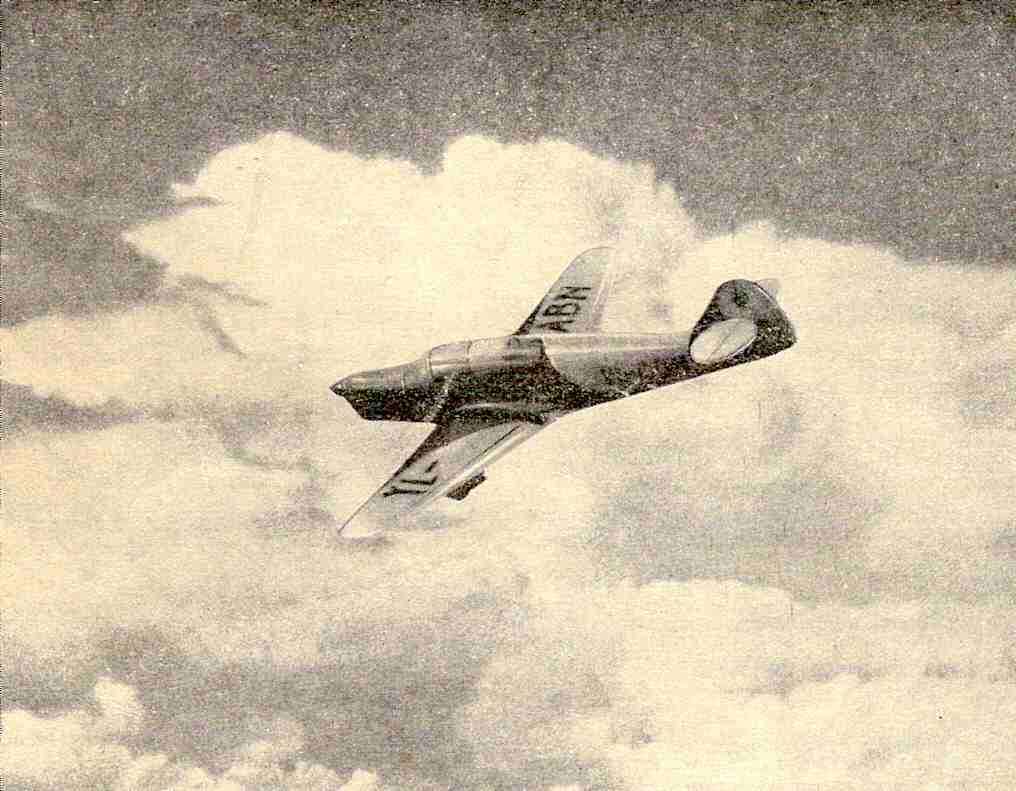
YL-ABN
Described as the second prototype, but actually produced after the production models were already underway.
Did not receive a military serial number.
Completed, test flown, and registered in April 1938.
1938 - flown to Switzerland, where it was registered as HB-EPO
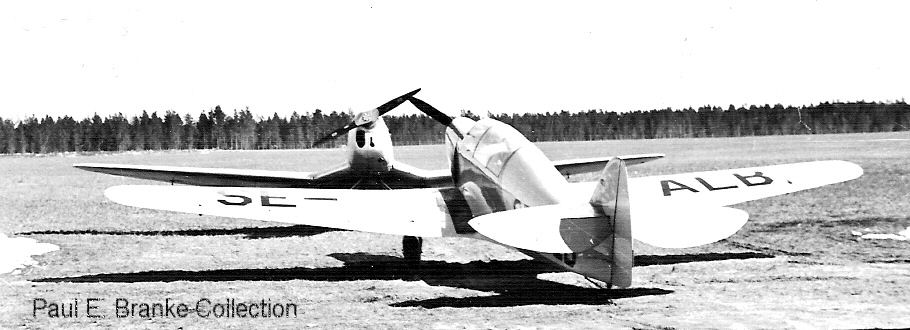
1942 - 1952 - registered in Sweden as SE-ALB.
YL-ABO
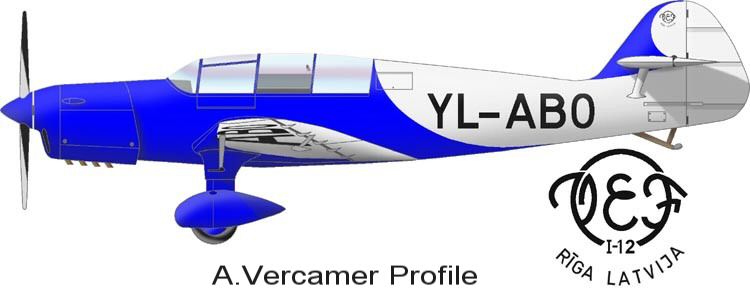
Appeared (as a static display) at the Helsinki Air Exposition May 14 - 22, 1938.
Survived, in Latvia, at least until the Soviet Occupation in 1940.
YL-ABQ
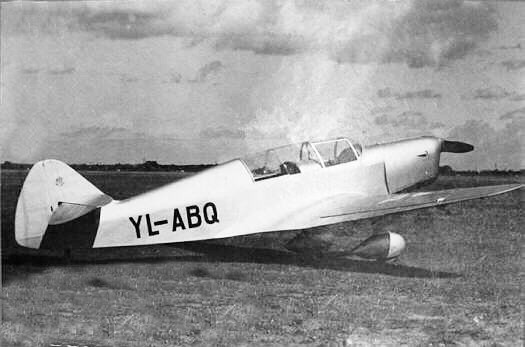
Believed to be the aircraft which Gailitis crashed on Oct.30, 1938. As such, it would have also carried an Aizsargu Aviacijas
serial number, but this cannot be confirmed.
YL-ABR
Survived, in Latvia, at least until the Soviet Occupation in 1940.
YL-ABS
Avery flew this aircraft to England in 1939 where, when war broke out, it remained.
YL-ABT
Turned over to the Aviation Regiment in January 1939, where it was heavily exploited in the pilot training program.
YL-ABU
Taken to Moscow after the Soviet Occupation in 1940.