|
|
|
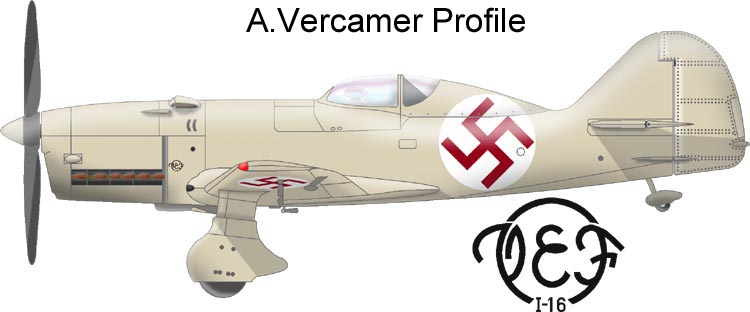
Source: VEF
Acquired: 1940
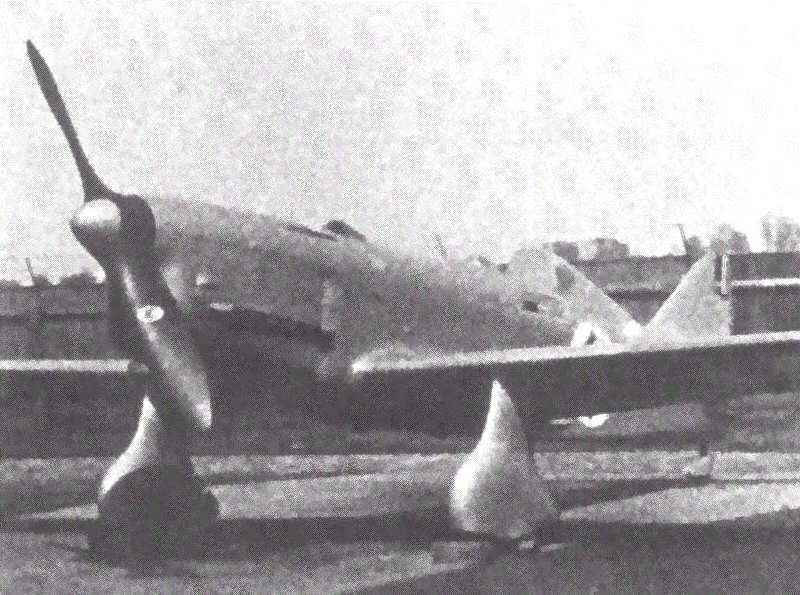
Type: Single-seat light fighter monoplane
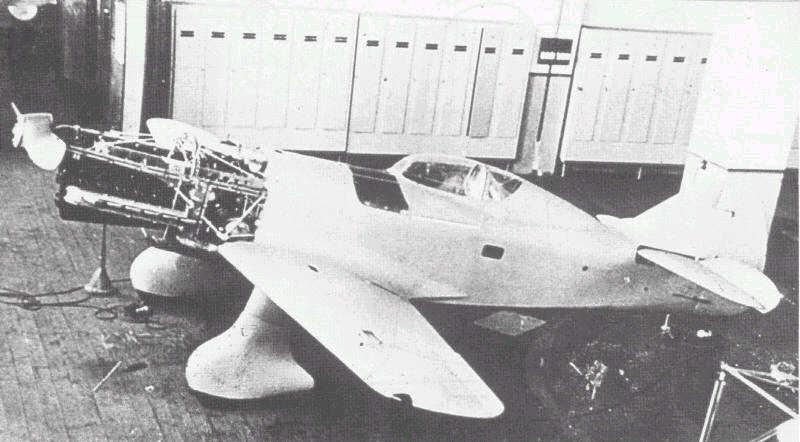
Engine: 520-hp Walter Sagitta ISR 12-cylinder V, supercharged, air-cooled
Range: 700 km (est.)
Maximum Ceiling: 8,000 m (est.)
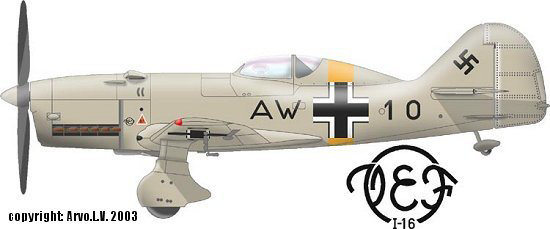
Known Serial Numbers: none in Latvian service. AW+10 in German service.
Notes
Soviet Occupation
Immediately upon occupation of Latvia, the VEF was taken over by a small cadre of employees who were apparently
members of the Communist underground. They formed a small militia which took control of security at the facility and
watched over the activities of all other employees.
The Soviets ordered that all VEF aircraft be removed from Spilve and, a few weeks later, all fabrication and assembly
work was ordered suspended pending further instructions from Moscow.
In February 1941 a Soviet official, General-Major Feodorov, became aware of the VEF designs (particularly the I-15b and I-16)
which had been stored in an abandoned warehouse. In March Irbitis received orders from Feodorov in Moscow to prepare
one prototype each of the I-12, I-15a, I-15b, I-16, I-17 (two variants) and I-18 to be shipped to Moscow for evaluation. Some
of these were immediately ready for shipment, but the I-16 required further engine tests before it could be sent. At about
this time the Soviets began to purge VEF of 'unreliable' engineers and constructors, and one by one Irbitis' colleagues
began to disappear to prison and Siberia. This, and the engine troubles, kept the I-16 in Riga until the Germans invaded
in June 1941. There is no evidence that the I-16 ever wore Soviet markings.
German Occupation
Under the Germans, work was allowed to continue on the VEF types but, as soon as each was completed, it
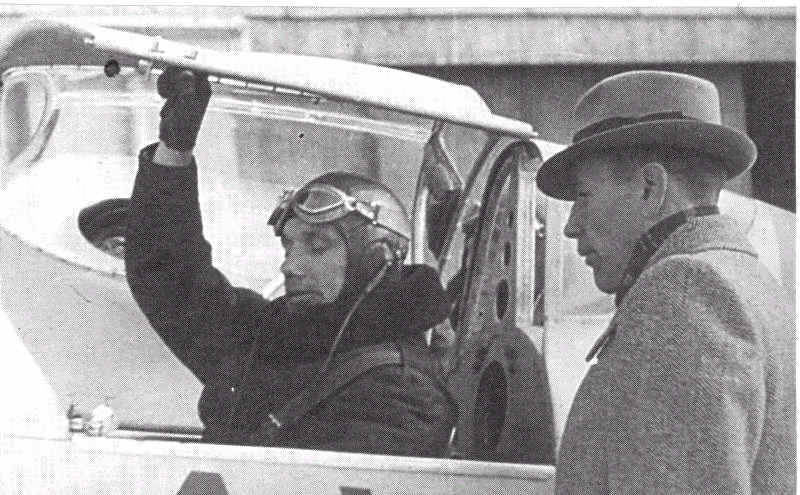
was claimed by the Luftwaffe. When the engine problems in the I-16 were sorted out test pilots
Mikelsons and E.Rudzitis managed to make a few flights from the Kalnciems
aerodrome before it, too, was confiscated by the Germans. Nothing further is know about the fate of this aircraft, though
Irbitis reports rumours that the remaining VEF aircraft were sold to a "neutral" country.
If true, perhaps they were lost in transit and therefore never appeared on the active list of this unnamed nation.
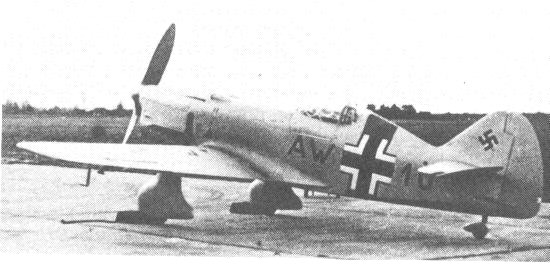
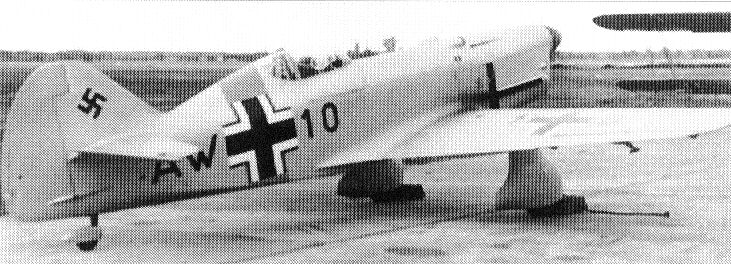
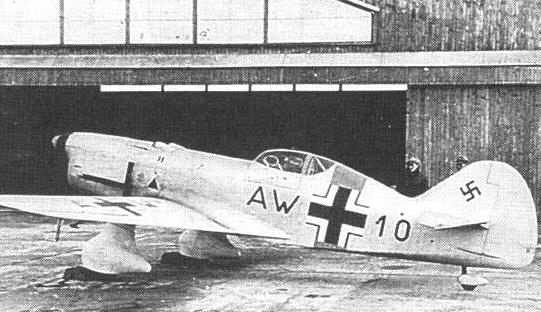
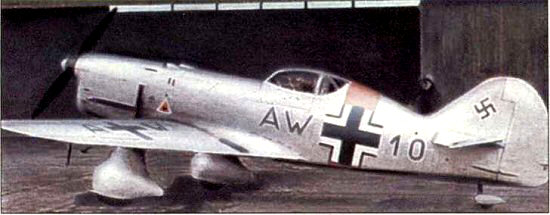
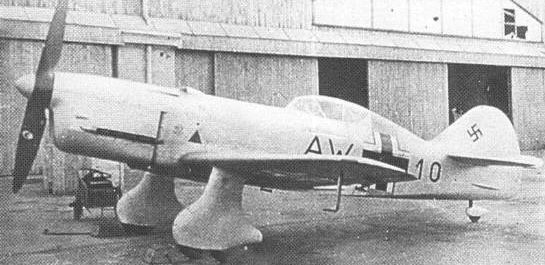
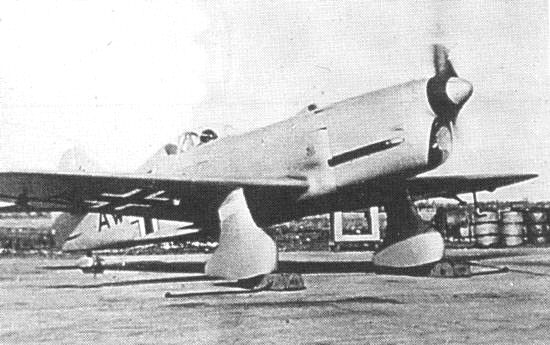
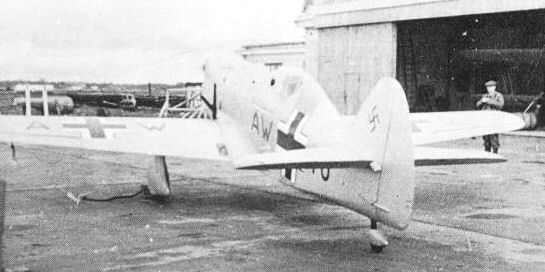
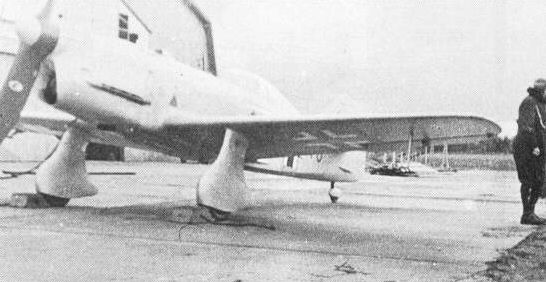
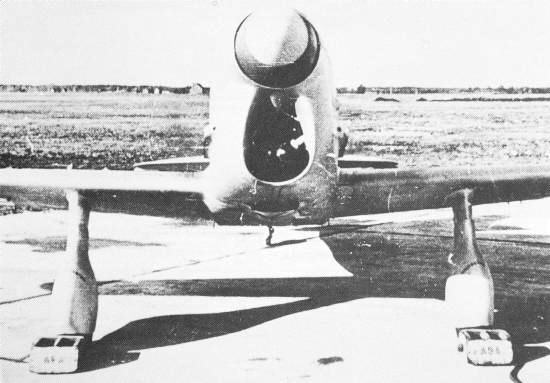
Sadly, more photos of the I-16 in German markings exist than when it was still marked as a Latvian aircraft.
A careful examination of the photos reveals that the markings were applied twice - the 2nd and 3rd photo clearly
have a more heavily printed AW+10 than the others.
 |
 |
 |
 |
 |
 |
 |
 |
 |
 |
 |
Sources
Briedis, Emils Latviesa Stasts
Irbitis, Karlis Of Struggle and Flight
Profiles courtesy of Arvo Vercamer
Additional profile may be viewed at blitzairpowerarchive.com.
- HOME -